Beyond Equations: Soft Skills at the Heart of STEM Projects

Today we explore embedding soft skills into STEM projects and laboratory exercises, focusing on collaboration, communication, adaptability, ethics, leadership, and reflective practice. Expect practical frameworks, classroom-tested activities, assessment ideas, and relatable stories that show how curiosity and empathy amplify technical rigor. Invite your students, colleagues, or lab partners to join the conversation, share examples that worked or failed, and help us grow a culture where scientific excellence and human excellence advance together.

Why Collaboration, Communication, and Curiosity Power the Lab

When experiments misbehave and data refuses to align, human skills turn confusion into discovery. Research on engineering education repeatedly shows teamwork and communication predict successful outcomes, especially under uncertainty. By nurturing shared understanding, respectful debate, and curiosity-driven questioning, students learn to navigate complexity confidently. These habits do not soften standards; they raise them, because clear thinking becomes visible through clear words, deliberate roles, and supportive accountability that keeps the lab moving even when instruments and schedules do not cooperate.

Designing Laboratory Exercises that Cultivate Human Skills

{{SECTION_SUBTITLE}}

Team Charters and Roles that Evolve with the Project

A living team charter anchors expectations, meeting times, conflict resolution pathways, and values around safety and inclusion. Roles rotate to prevent expertise silos: coordinator, data steward, quality checker, communication lead. Midway, the team revisits the charter, revising norms after observing real pressures. This explicit governance reduces friction, clarifies accountability, and creates equitable opportunities to practice leadership without relying on the same confident voices week after week.

Protocols with Purposeful Ambiguity

When every step is fully specified, students may follow instructions without understanding underlying principles or tradeoffs. Purposeful ambiguity prompts planning discussions, error budgeting, and justification of chosen parameters. Instructors seed constraints, safety considerations, and measurable goals, then ask teams to propose procedures with rationales. This controlled freedom strengthens judgment, helps learners feel ownership, and surfaces assumptions worth testing. Debriefs highlight what worked, what failed, and what evidence guided revisions under time constraints.

Assessment that Makes Soft Skills Visible and Valued

Students invest effort in what counts. When rubrics reward collaboration, communication, and adaptability alongside accuracy, learners practice these skills purposefully. Transparent criteria, evidence-based reflections, and balanced peer input elevate fairness. Timely, specific feedback fuels growth without crushing morale. Assessment becomes a mirror for both product and process, illuminating hidden strengths and pinpointing habits that need attention. Over time, portfolios reveal maturation: tighter reasoning, clearer language, steadier teamwork, and confident decision making under uncertainty.

01

Rubrics that Reward Growth

Define criteria for planning, role clarity, respectful dialogue, documentation quality, error analysis, and ethical conduct. Include developmental levels that describe behaviors, not vague labels. Provide exemplars so expectations feel reachable. During checkpoints, ask students to annotate lab artifacts that demonstrate each criterion. This practice trains self-awareness, aligns peer expectations, and turns grading into coaching. Growth becomes trackable, and improvement stories gain credibility because evidence is organized and visible.

02

Peer and Self Review with Evidence

Structured peer review builds accountability and empathy. Students cite specific artifacts, meeting notes, or data tables when praising or critiquing contributions. Self assessments include concrete examples of leadership, listening, or conflict resolution. Instructors moderate gently, highlighting honest insights and action plans. Over successive labs, the tone shifts from defensive to collaborative, as everyone recognizes that better teamwork yields better science, fewer late nights, and more reliable conclusions worth sharing beyond the classroom.

03

Feedback Loops in Standups and Retrospectives

Short daily standups help teams surface blockers, coordinate resources, and adjust priorities quickly. After each lab, a retrospective explores what to start, stop, and continue, with attention to communication, safety, and decision quality. Captured insights feed directly into the next iteration. This rhythm normalizes continuous improvement, reduces recurring mistakes, and builds confidence. Soft skills stop being abstract ideals and become operational tools that save time and safeguard outcomes under real constraints.

Stories from the Bench: Real Classes, Real Skills
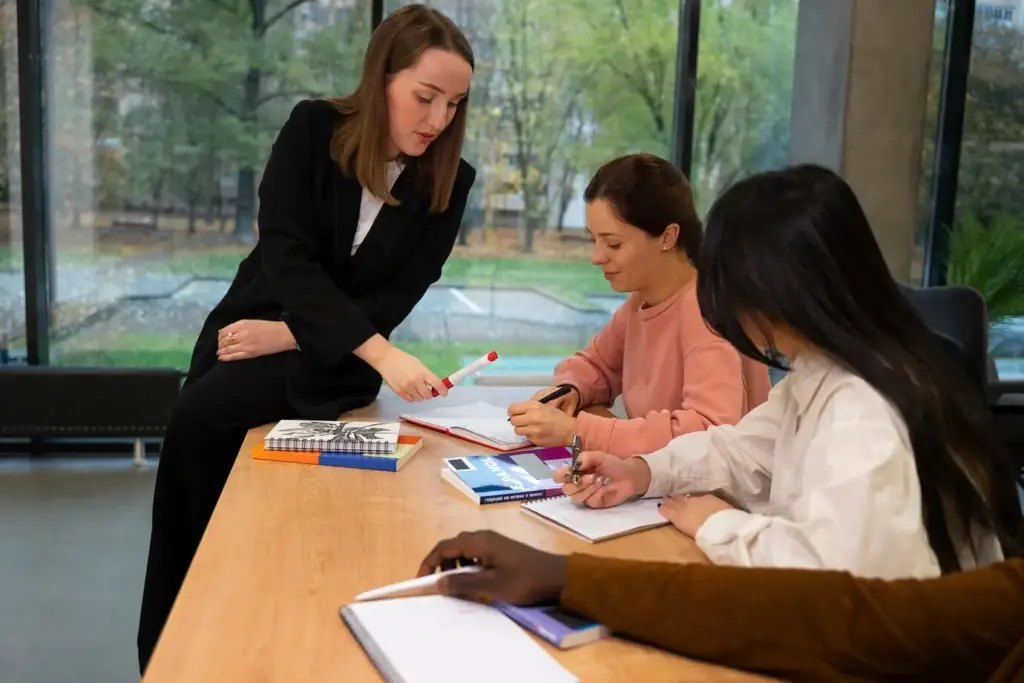
The Sensor That Would Not Calibrate

A first year team faced a stubborn calibration curve drifting unpredictably. Rather than divide and silently struggle, they huddled, redistributed roles, and created a rapid test matrix. One student calmly facilitated, another documented anomalies, and a third negotiated extra bench time. Their respectful persistence uncovered a loose connector and temperature sensitivity. The victory was not only technical; it was social coordination under duress that preserved safety, dignity, and humor.

When the Report Reached the Community

A first year team faced a stubborn calibration curve drifting unpredictably. Rather than divide and silently struggle, they huddled, redistributed roles, and created a rapid test matrix. One student calmly facilitated, another documented anomalies, and a third negotiated extra bench time. Their respectful persistence uncovered a loose connector and temperature sensitivity. The victory was not only technical; it was social coordination under duress that preserved safety, dignity, and humor.

A Conflict Resolved with Data and Respect

A first year team faced a stubborn calibration curve drifting unpredictably. Rather than divide and silently struggle, they huddled, redistributed roles, and created a rapid test matrix. One student calmly facilitated, another documented anomalies, and a third negotiated extra bench time. Their respectful persistence uncovered a loose connector and temperature sensitivity. The victory was not only technical; it was social coordination under duress that preserved safety, dignity, and humor.

Activities and Tools that Make Practice Habit

Reflection Journals and Minute Papers

At the end of each session, students write one insight, one uncertainty, and one interpersonal observation tied to evidence. Weekly, they reread entries, highlight patterns, and propose personal experiments to improve teamwork or clarity. Instructors sample anonymized excerpts to guide mini lessons. This ritual turns fleeting experiences into cumulative wisdom, helping learners connect behavior with outcomes, celebrate micro wins, and notice early warnings before small frustrations become larger conflicts that derail momentum.

Role Play for Stakeholder Meetings

Teams practice short meetings with rotating roles such as community advocate, budget owner, safety officer, or skeptical reviewer. They must present findings, defend tradeoffs, and adapt language for different concerns. Observers use checklists to note clarity, empathy, and responsiveness. Debriefs surface phrases that built trust and moves that escalated tension. Students discover that technical rigor and audience awareness can coexist, producing decisions that are both scientifically sound and socially responsible in real settings.

Design Thinking in a Two Hour Lab

Time boxed sprints lead teams through empathize, define, ideate, prototype, and test, applied to a lab context like sensor housings or assay workflows. Rapid sketches and low fidelity prototypes keep focus on user needs and process reliability. Short testing cycles reveal hidden constraints early. The pace energizes students while normalizing iteration. They learn that progress comes from tangible experiments, candid feedback, and structured creativity, not from waiting for perfect plans that never arrive.

From Campus to Career: Aligning with Industry Expectations

Employers consistently seek graduates who write clearly, collaborate across disciplines, navigate ambiguity, and uphold safety and integrity. By integrating these capabilities into projects and laboratories, programs help students bridge classroom success with workplace impact. Partnerships with companies, nonprofits, and research labs reinforce relevance through authentic constraints and stakeholders. Capstones, internships, and cross functional sprints become proving grounds where soft skills and technical depth combine into professional confidence and a compelling portfolio of evidence.

Employer Signals and Job Descriptions

Analyze postings for repeated phrases such as cross functional collaboration, stakeholder communication, and continuous improvement. Map these to your course outcomes and lab activities. Invite guest speakers to describe critical incidents where human skills saved projects. Students then translate classroom artifacts into resume bullets with measurable impact. This practice closes the vocabulary gap, making graduates more legible to recruiters who must quickly assess readiness for complex, team centric environments.

Capstones that Mirror Modern Workflows

Design capstones with iterative milestones, version control, shared documentation, and rotating leadership. Include formal design reviews, risk registers, and ethical checkpoints. External mentors provide realistic constraints and timely feedback. Students experience the rhythm of professional collaboration and learn to make decisions with incomplete data. The final deliverables showcase not only what was built, but how it was built, highlighting the disciplined habits employers recognize as markers of long term potential.

Interdisciplinary Sprints with Engineers and Artists

When engineers, scientists, designers, and artists work together, unexpected insights emerge. An interdisciplinary sprint forces translation across vocabularies and values, revealing how aesthetics, usability, and narrative improve adoption of technical solutions. Teams prototype tangible artifacts and persuasive stories within tight deadlines. Debriefs focus on listening strategies, integrative decision making, and constructive critique. Students leave with expanded empathy and collaboration range, prepared to thrive in workplaces where diversity fuels innovation.
Ketarunirirevuveme
Privacy Overview

This website uses cookies so that we can provide you with the best user experience possible. Cookie information is stored in your browser and performs functions such as recognising you when you return to our website and helping our team to understand which sections of the website you find most interesting and useful.